Blog
What conveyor belt is needed at each stage of a cement plant
Selection criteria from quarry to bagging
Conveyor belt selection in a cement plant must be based on the specific conditions at each point in the process. Using a single solution as a general criterion for the entire installation may not adequately address variables such as:
- Material size and granulometry.
- Impact in the loading zone.
- Abrasiveness.
- Risk of cutting and tearing.
- Transport distance.
- Required capacity.
- Material temperature.
- Ambient temperature.
- Presence of oils or greases.
- Path geometry.
- Need for elevation.
- Tracking issues.
- Space limitations.
KAUMAN’s catalog structures its solutions to cover the complete journey of the cement industry, from raw material extraction to distribution of finished cement.
1. CUSTOMER PROBLEM
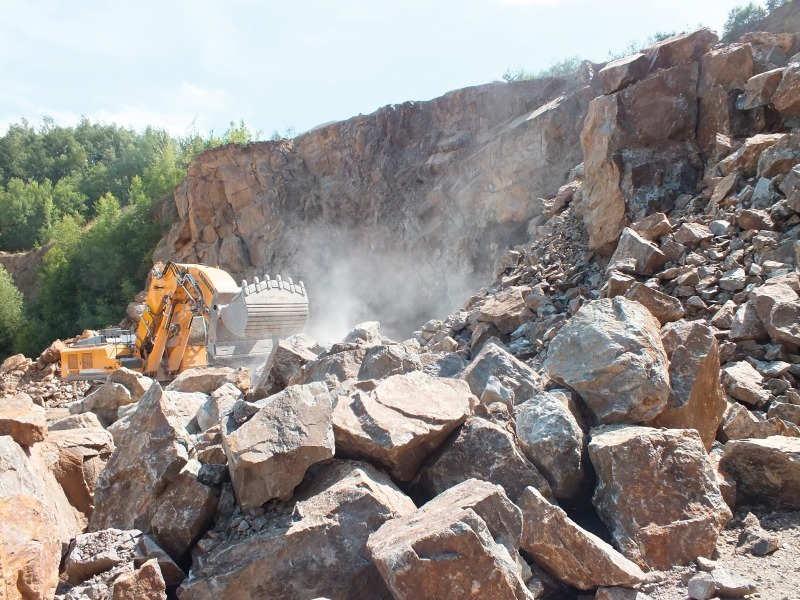
1.1. Quarry and feed to crushing
Critical conditions
- Large-size material.
- High impact energy.
- Sharp edges.
- Penetration risk.
- Longitudinal cuts and tears.
Technical need
The belt must protect both the cover and the load-bearing structure against damage caused by the material.
KAUMAN solution
AntiCut NoRip®, through incorporation of a breaker in the upper zone of the construction, combined with Anti-Cut (AC) compound for applications where cuts and tears predominate. KAUMAN recommends this type of protection especially in the process prior to primary crushing.
1.2. Transport of crushed limestone
Critical conditions
- Long distances.
- Heavy transport.
- Material still with aggressive geometries.
- Need for low elongation.
- Requirement for high impact absorption.
KAUMAN solutions
KAUSTEEL®
Application based on steel cord belts for demanding transport.
KAUSTRONG®
Textile EPP construction oriented to heavy transport and long-distance applications.
The catalog highlights features such as:
- Low elongation.
- Lower weight.
- High impact absorption.
- Resistance to heavy transport.
- Resistance to cuts and longitudinal breaks.
The construction can be adapted to different resistance levels according to the application.
1.3. Transport in complex routes
Critical conditions
- Horizontal curves.
- Vertical curves.
- Irregular topography.
- Need to reduce dust emissions.
- Risk of material spillage.
KAUMAN solution
KAUPIPE
Belt designed to adopt a circular cross-section during the route.
Application criteria
- Enclosed transport.
- Reduction of transfer points.
- Adaptation to complex routes.
- Protection against weather conditions.
- Reduction of material spillage and dust generation.
1.4. Elevation of fine materials
Critical conditions
- High capacity.
- Vertical elevation.
- Low elongation.
- Continuous operation.
- Risk of longitudinal cuts.
KAUMAN solution
KAULEV®
Belt for bucket elevators developed for fine bulk materials.
The catalog describes the use of Fleximat® technology, with features related to:
- Improved behavior under compression.
- Low elongation.
- Good rubber penetration.
- Protection against cuts and longitudinal tears.
Described applications:
- Raw meal before calcination.
- Silo feeding.
- Preheater tower feeding.
- Processes prior to dispatch.
1.5. Hot materials in elevation
KAUMAN describes a solution with EPDM compound for elevator applications requiring transport of hot material.
Features indicated in the catalog:
- Permanent material temperature up to 160 ºC.
- Belt resistance up to 4,000 N/mm.
- Heights above 200 meters.
- Minimum elongation indicated at 0.3% at maximum working load.
1.6. Clinkerization and fuel process
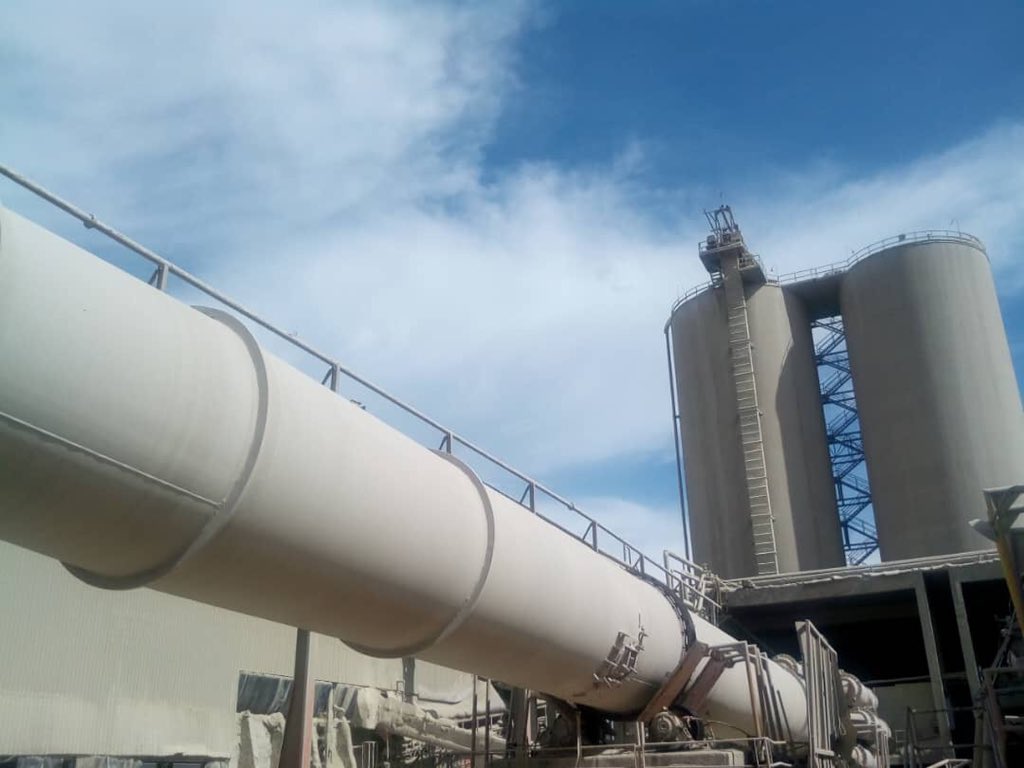
Critical conditions
- Contact with oils.
- Contact with greases.
- Variable temperatures.
- Abrasion.
- Possible flame resistance requirements.
KAUMAN solution
Oil and grease resistant compounds, selected according to:
- Working temperature.
- Material temperature.
- Type of oil or grease.
- Need for specific properties.
- Abrasion level.
The compound selection must be made according to the specific process conditions.
1.7. Hot clinker transport
Critical condition
- Elevated material temperature.
KAUMAN divides its heat-resistant compounds into three categories:
T15 — T18 — T20
Selection must consider:
- Material size.
- Belt speed.
- Conveyor length.
- Ambient temperature.
- Actual clinker temperature.
A critical aspect is differentiating between the material temperature and the temperature reached by the belt surface.
1.8. Storage and grinding
Critical conditions
- Misalignment.
- Spillage.
- Dust accumulation.
- Edge damage.
- Splice damage.
- Damage to rollers and other components.
KAUMAN solution
KAUCENTER®
Solution developed to promote self-tracking through a construction with differentiated transverse stiffness. KAUMAN recommends specifically studying each conveyor to calculate the appropriate configuration.
1.9. Bagging and loading
Critical conditions
- High inclinations.
- Vertical transport.
- Limited space.
- Risk of material fall.
- Need to reduce transfer points.
KAUMAN solution
KAUBORD®
Belt with corrugated sidewalls hot-vulcanized and possibility of incorporating transverse cleats.
Application features described:
- Inclinations from 0º to 90º.
- Elevation applications.
- Space optimization.
- Reduction of dust and losses.
- Adaptation to different transport configurations.
2. OPERATIONAL IMPACT
Inadequate selection can generate:
Additional maintenance
- More frequent intervention on belts and components.
Reduced availability
- Downtime associated with damage, spillage, or operational issues.
Material loss
- Especially relevant in tracking problems or open transport.
Premature degradation
- Due to temperature, abrasion, cuts, or exposure to incompatible substances.
Oversizing
- A solution technically superior to what is needed can also represent an unnecessary cost.
KAUMAN recommends recalculating installations using information on geometries, capacities, and materials to adjust the selection to each application.
3. SOLUTION: selection by working condition
| Phase | Critical condition | KAUMAN solution |
|---|
| Phase | Critical condition | KAUMAN solution |
|---|---|---|
| Extraction | Impact, cutting, tearing | AntiCut NoRip® + Anti-Cut |
| Limestone transport | Distance and heavy transport | KAUSTEEL® / KAUSTRONG® |
| Complex routes | Dust, curves and topography | KAUPIPE |
| Elevation | Capacity and low elongation | KAULEV® |
| Thermal process | Oils and greases | Specific compounds |
| Hot clinker | High temperature | T15 / T18 / T20 |
| Storage | Misalignment | KAUCENTER® |
| Bagging and loading | High inclinations | KAUBORD® |
4. PRODUCT OFFERED BY KAUMAN
KAUMAN’s proposal for the cement industry does not consist of recommending a single technology. It consists of selecting the appropriate construction, carcass, and compound for each point in the process.
The analysis must start from the actual conveyor conditions:
Material + capacity + route + temperature + geometry + operating conditions.
Because a correctly selected belt is not just a transport component. It is an element directly related to the availability, reliability, and continuity of the production process.
KAUMAN: specific solutions for each phase of transport in the cement industry.
From quarry to dispatch.
More news


Subscribe to our blog and discover the solutions you need
